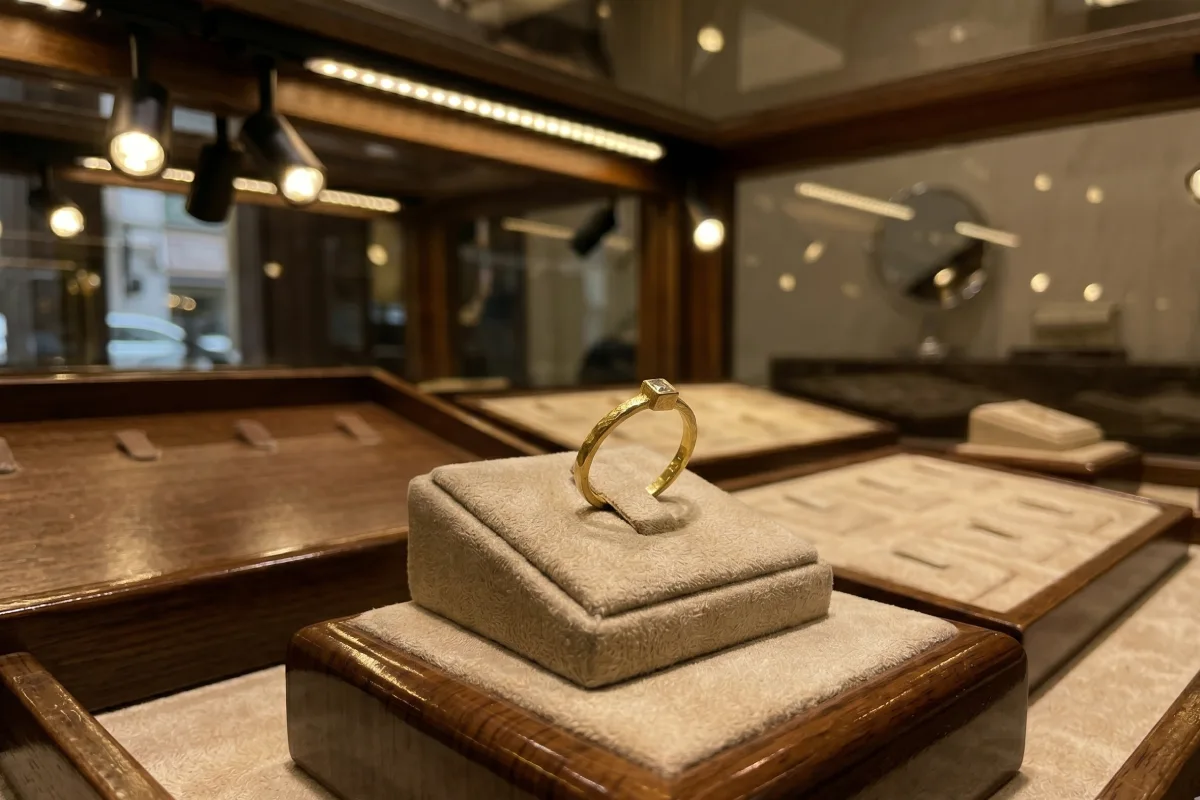






In the dynamic world of precious metals, gold continues to capture the attention of investors, jewelers, and consumers alike. Its enduring appeal as a safe-haven asset and a symbol of luxury makes understanding its current market value crucial. Today, we delve into the specifics of the 24-carat gold rate, examining the factors that influence its price fluctuations and what these trends mean for the discerning buyer and seller.
Understanding 24-Carat Gold
Before discussing today’s rates, it’s essential to clarify what 24-carat gold signifies. “Carat” is a unit of purity for gold, with 24-carat being the purest form, containing 99.9% pure gold. This level of purity is highly sought after for investment purposes and is often preferred for traditional jewelry in certain cultures due to its rich, vibrant color. However, its softness makes it less ideal for everyday wear in some types of jewelry, where alloys are often mixed in to increase durability, resulting in 22K, 18K, or 14K gold.
Factors Influencing Gold Prices
Several interconnected factors contribute to the daily fluctuations in gold prices:
1. Global Economic Stability: During times of economic uncertainty, political instability, or market volatility, investors often flock to gold as a hedge against inflation and currency devaluation. This increased demand drives prices up.
2. Interest Rates: When interest rates rise, holding gold (which doesn’t offer interest or dividends) becomes less attractive compared to interest-bearing assets. Conversely, lower interest rates tend to make gold more appealing.
3. U.S. Dollar Strength: Gold is typically priced in U.S. dollars. A stronger dollar makes gold more expensive for holders of other currencies, potentially dampening demand. A weaker dollar, however, can make gold more affordable and boost demand.
4. Supply and Demand: Basic economic principles apply here. Mining output, central bankpurchases or sales, and consumer demand (especially from major markets like India and China for jewelry and investment) all play a significant role.
5. Geopolitical Events: Conflicts, trade wars, and other international tensions can quickly send gold prices soaring as investors seek security.
Today’s 24-Carat Gold Rate
As of February 1, 2026, the global spot rate for 24-karat gold is approximately $157.66 per gram. This reflects a significant increase from previous years, with international gold prices now trading near the psychologically important $5,000 per ounce level.
Implications for the Jewelry Market (Marysa)
For a brand like Marysa gold jewelry, specializing in exquisite jewelry, the 24-carat gold rate directly impacts sourcing costs and, consequently, retail pricing. While much of luxury jewelry utilizes 18K or 22K gold for durability and design flexibility, the purity of 24-carat gold sets the benchmark for all other gold forms. Fluctuations in its price influence the broader market and consumer sentiment towards gold-based products.
A stable or slightly decreasing 24-carat gold price can make high-carat jewelry more accessible, potentially boosting sales. Conversely, sharp increases might lead to adjustments in pricing strategies or a focus on designs that use less gold while maintaining aesthetic appeal. Marysa, by staying attuned to these market dynamics, can continue to offer competitive pricing and showcase the timeless allure of gold in its collections.