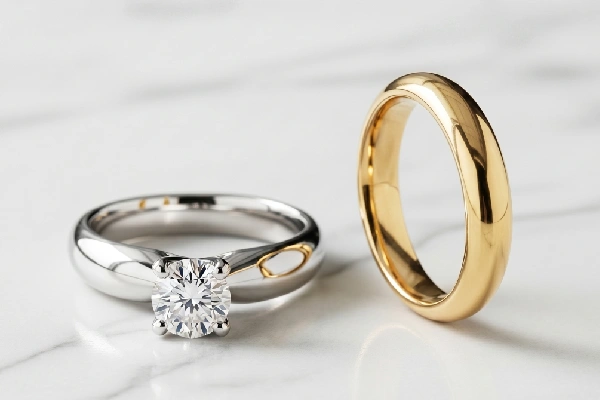
When it comes to selecting high-end jewelry, the debate between White Gold and Yellow Gold is about much more than just color. It is a decision that involves chemistry, lifestyle, and how a gemstone interacts with light. At Marysa, we believe that understanding these nuances is key to choosing a piece that remains timeless.
In this guide, we dive deep into the technical and aesthetic differences to help you decide which metal truly reflects your personality.
The Elemental Difference: Composition and Strength
All gold used in jewelry starts as pure yellow 24k gold. However, pure gold is too soft for daily wear. To create lasting jewelry, it is alloyed with other metals.
- Yellow Gold: This is the most traditional form. It is created by mixing pure gold with silver, copper, and zinc. This blend maintains the warm, sun-kissed glow of the metal while providing the structural integrity needed for intricate designs.
- White Gold: To achieve its silvery, mirror-like finish, pure gold is alloyed with “white” metals such as palladium or manganese. However, the secret to its brilliance is Rhodium Plating. This rare precious metal covers the alloy to provide a hard, reflective surface that protects the piece and enhances its shine.
Comparison at a Glance
To simplify your decision, here is how these two metals perform across key categories:
| Feature | White Gold | Yellow Gold |
| Durability | Higher (Rhodium provides a protective shield) | Moderate (Slightly more prone to scratches) |
| Maintenance | Requires re-plating every 1-3 years | Needs occasional polishing only |
| Skin Tone | Best for Cool / Fair undertones | Best for Warm / Olive undertones |
| Gemstone Best Match | Colorless Diamonds & Blue Sapphires | Emeralds, Rubies & Warm-toned Diamonds |
| Allergy Factor | May contain nickel (check for Nickel-free) | Highly hypoallergenic |
Aesthetics: Matching Your Skin Tone and Style
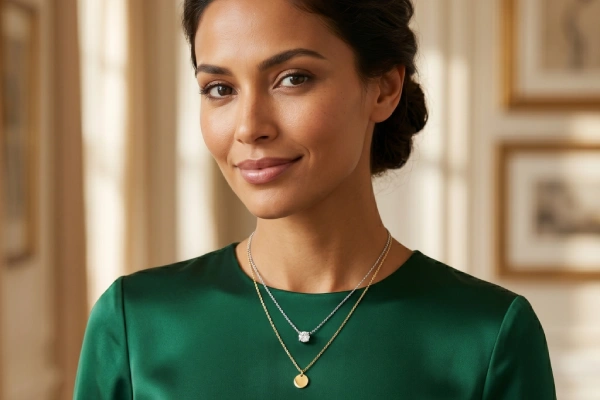
One of the most important factors in choosing jewelry is how it complements your skin’s “undertone.”
- Cool Undertones: If your skin has rosy or blue undertones and your veins appear blue/purple, White Gold is your best ally. It creates a sleek, modern look that doesn’t clash with your natural palette.
- Warm Undertones: If you have golden or olive skin and green-tinted veins, Yellow Gold will look stunning. It enhances the natural warmth of your complexion, giving off a classic, regal vibe.
The Maintenance Reality: What to Expect
A common concern for Marysa clients is how their jewelry will age. What is white gold? It is a gold alloy typically mixed with white metals like palladium or nickel and finished with a layer of rhodium plating to achieve its bright, silvery appearance. Yellow Gold, on the other hand, is incredibly low-maintenance. If it gets scratched, a professional polish can easily restore its luster without changing the color of the metal.
White Gold, however, has a “maintenance cycle.” Over time, the rhodium plating wears off, revealing the slightly yellowish tint of the underlying alloy. To keep it looking pristine, you will need to have it “re-dipped” in rhodium every few years. While this adds a small recurring cost, the upside is that every time you re-plate it, the ring looks brand new.
Which is Better for Diamonds?
If you are choosing an engagement ring, pay attention to the diamond. White Gold is often preferred for high-grade colorless diamonds (D-F range) because the white metal acts like a mirror, making the diamond appear larger and more brilliant. Yellow Gold, while beautiful, can sometimes cast a slight yellow tint into a very clear diamond.
The Marysa Verdict
There is no “wrong” choice, only the choice that fits your lifestyle. If you value tradition and ease of care, Yellow Gold is your soulmate. If you prefer a contemporary, high-shine aesthetic and don’t mind a bit of maintenance, White Gold is the gold standard of modern luxury.