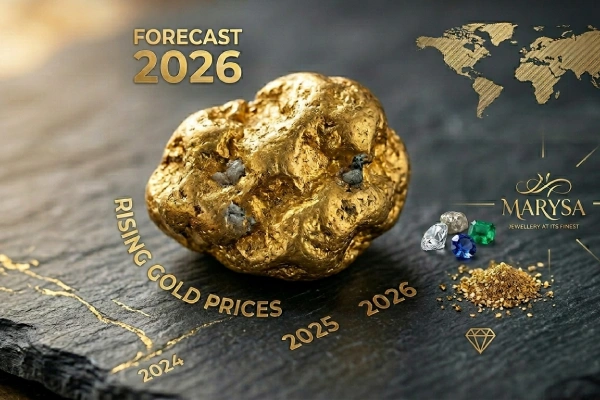
The sharp increase in global gold prices is reshaping the jewelry industry in 2026. While major luxury houses can buffer these changes, demi-fine jewelry brands—those working with 9K to 14K gold are facing significant pressure. Their challenge is to maintain affordability while keeping design quality high. This shift is pushing designers toward new strategies, materials, and business models to stay relevant in a fast-changing market.
Why Gold Prices Are Increasing in 2026
The surge in gold prices is linked to several global factors. Economic uncertainty, fluctuating currency markets, and geopolitical tensions have encouraged investors to treat gold as a safe-haven asset.
This increased demand has driven prices up, raising production costs for jewelry brands of all sizes. For demi-fine designers, whose margins are already tighter, the impact is far more noticeable.
How Designers Are Responding to Higher Costs
Demi-fine jewelry designers are adapting quickly to avoid passing large price increases on to customers. Their solutions focus on creative design adjustments, responsible sourcing, and smarter material use.
Lighter and Minimalist Designs Become More Popular
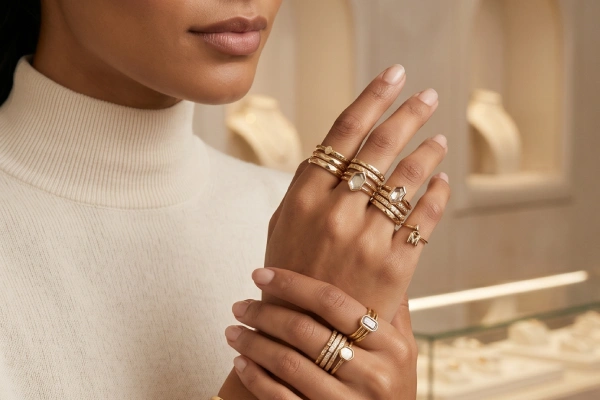
One of the most common strategies is reducing the overall gold weight in new collections. Designers are shifting toward slimmer bands, delicate chains, and minimalist silhouettes that use less metal without compromising style.
This trend aligns with current consumer demand for simple, everyday jewelry making the transition both practical and fashionable.
Mixing Metals to Control Costs
Many brands are introducing mixed-metal pieces that combine gold with sterling silver or other durable metals. This approach keeps final prices stable while maintaining a premium look.
Mixed-metal jewelry also opens the door to contemporary designs that appeal especially to younger buyers seeking creativity over tradition.
Increased Use of Recycled Gold
Sustainability remains a growing priority for consumers, and designers are responding by incorporating more recycled gold into their collections. Recycled metal helps manage costs while meeting expectations for ethical production.
This shift also strengthens brand storytelling around environmental responsibility a key advantage in a crowded market.
Rhodium Plating for a Premium Finish
Using rhodium plating on lower-karat or mixed-metal designs allows brands to deliver the bright, polished appearance customers expect from gold jewelry. This technique reduces gold usage while keeping quality high, giving designers more flexibility in production.
Will Demi-Fine Jewelry Prices Increase?
Despite strategic adjustments, some price changes may still occur. However, many brands are choosing to add value rather than simply raise costs. Enhanced craftsmanship, customizable designs, and stronger branding help justify slight increases while keeping customers engaged.
Consumers remain willing to spend more when they feel connected to a piece’s story or design process.
What This Means for the Future of the Jewelry Market
Analysts predict that the demi-fine jewelry category will continue evolving as gold prices remain unpredictable. Brands that remain flexible experimenting with new materials, lighter designs, and sustainable practices are expected to remain competitive.
Rising gold prices may ultimately spark a new wave of innovation and creativity across the industry.